Finding Your Lost Pet: Advice and Resources
Losing a pet is a deeply distressing experience. At The Cora Animal Project CIC, we understand the heartache and urgency you feel.
This guide provides practical advice for searching for lost pets, along with a list of valuable resources to help you in your search.
General Search Advice (Applies to All Pets):
01
Act Immediately:
The sooner you start searching, the better your chances of a successful reunion.
02
Stay Calm:
While difficult, try to remain as calm as possible. Panic can hinder effective searching.
03
Search Your Immediate Area Thoroughly:
- Indoors: Check every cupboard, wardrobe, under beds, behind appliances, and any other hiding spots in your home. Pets can sometimes get trapped inside.
- Outdoors: Search your garden, shed, garage, and any outbuildings. Call their name calmly.
04
Expand Your Search:
- Talk to Neighbours: Inform your neighbours immediately. Ask them to check their gardens, sheds, and garages. Provide them with a clear description and a recent photo.
- Walk/Drive Your Local Area: Systematically search the streets and areas your pet might frequent. Call their name. Listen for any sounds.
- Check Hiding Spots: Look under cars, in bushes, under decks, in drains, and any other sheltered or enclosed spaces.
05
Use Scent:
Place items with your scent (e.g., a worn t-shirt, socks) and your pet's scent (e.g., their bedding, litter box for cats) outside your home. Familiar smells can help them find their way back.
06
Utilise Scent Trails:
For dogs, you can create a scent trail by dragging a piece of clothing or bedding along the route they might have taken.
07
Contact Local Authorities and Shelters:
- Local Vets: Inform all local veterinary clinics. They often get stray animals brought in.
- Animal Shelters & Rescues: Contact all local animal shelters, rescue centres, and pounds. Visit them in person regularly, as descriptions can sometimes be misleading.
- Local Authorities: Report your pet missing to your local council's dog warden service.
08
Create "Lost Pet" Posters:
- Clear Photo: Use a large, clear, recent photo of your pet.
- Key Information: Include your pet's name, breed/type, age, distinguishing features, the date and area they went missing, and your contact number.
- Offer Reward (Optional): A reward can sometimes incentivize people to look more closely, but be cautious about sharing too much personal information.
- Distribute Widely: Place posters in high-traffic areas, local shops, community centers, veterinary clinics, and lamp posts within a 1-2 mile radius initially, expanding outwards.
09
Utilise Social Media and Online Platforms:
- Local Facebook Groups: Post in local lost and found pet groups, community pages, and neighbourhood groups. Include clear photos and all relevant details.
- Specialised Websites: Use dedicated lost pet websites and apps.
- The Cora Animal Project CIC: Share your missing pet's details with us! We will help spread the word through our network, no matter the distance you are.
10
Be Persistent:
Don't give up hope. Many pets are reunited days, weeks, or even months after going missing. Continue to search, share, and update your posts.
Specific Advice by Pet Type:
Lost Cats:
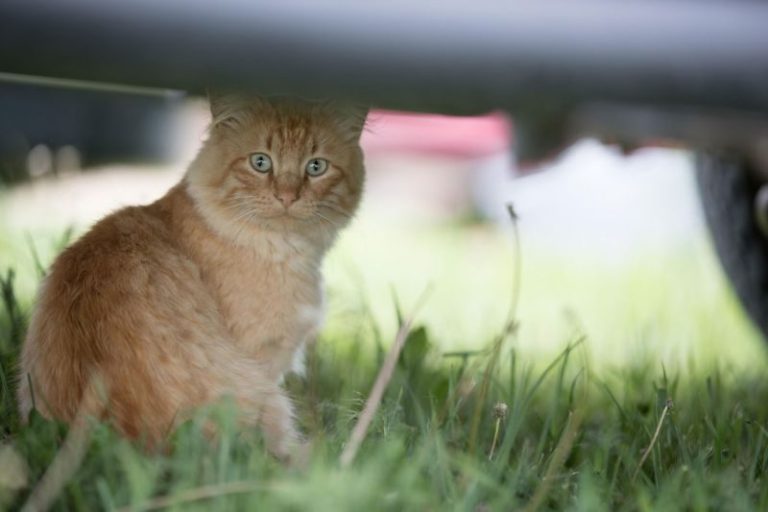
Cats are often more elusive and tend to hide closer to home than dogs.
- Search at Dawn and Dusk: Cats are most active during these times. Call their name softly and listen for a response.
- Check Hiding Places: They often hide in quiet, dark, and sheltered places: under cars, in sheds, garages, dense bushes, under decking, or even up trees.
- Use Familiar Scents: Place their litter box, bedding, or an item of your unwashed clothing outside your home. The scent can help guide them back.
- Shake Their Food Bag/Treats: The familiar sound can sometimes lure them out.
- Inform Neighbours: Ask neighbours to check their sheds and garages before locking them up.
- Be Aware of Scared Behaviour: A lost cat may be very frightened and may not respond to their name. They might be hiding nearby and only emerge when things are quiet.
Relevant Resources for Cats:
- Cats Protection: https://www.cats.org.uk/ (Offers advice, has branches across the UK, and a lost and found register)
- The Celia Hammond Animal Trust: https://www.celiahammond.org/ (Provides veterinary care and rehoming, with centres across the UK)
- Local Cat Rescues: Search for "cat rescue [your area]" to find local organisations.

Lost Dogs:
Dogs may travel further than cats, especially if they are scared or in an unfamiliar environment.
- Search Systematically: Cover your local area thoroughly, calling their name.
- Revisit Areas: Dogs can sometimes return to familiar walking routes or places they know.
- Alert Local Dog Walkers and Parks: Inform people who frequent local parks and walking areas.
- Use Their Favourite Toys/Treats: The sound of a squeaky toy or treat bag can sometimes attract them.
- Consider Their Temperament: A friendly dog might approach people, while a scared dog might hide.
- If Found: Approach calmly and speak in a soothing voice. Check for a collar and tag, or scan for a microchip if possible.
Relevant Resources for Dogs:
- Dogs Trust: https://www.dogstrust.org.uk/ (Offers advice, has rehoming centres, and resources for lost and found dogs)
- The Kennel Club: https://www.thekennelclub.org.uk/ (Provides advice and has a lost and found service)
- Local Dog Wardens: Contact your local council.
- Local Dog Rescues: Search for "dog rescue [your area]".
Lost Horses:
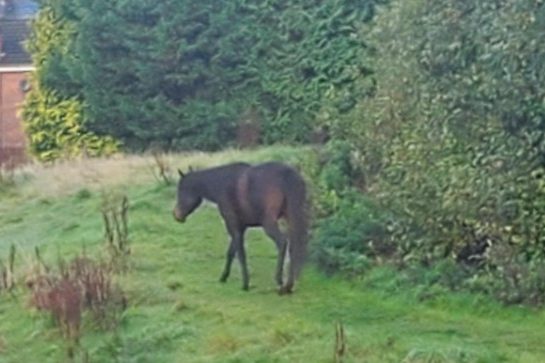
Horses that escape can cover significant distances and pose a road safety risk.
- Immediate Action is Crucial: Contacting the police and local authorities is paramount due to the danger they can pose on roads.
- Inform Local Farms and Livery Yards: Neighbours and other horse owners are often the first to spot escaped horses.
- Check Fences and Gates: Investigate how the horse escaped to prevent recurrence.
- Use Clear Descriptions: Include breed, colour, height, any distinguishing marks, or tack they might still be wearing.
- Consider Their Environment: Where are they likely to seek shelter or food?
Relevant Resources for Horses:
- Police: Contact your local police force non-emergency number (e.g., 101 in the UK).
- Local Council / Animal Warden: They may have specific procedures for escaped livestock.
- Riding for the Disabled Association (RDA): https://www.rda.org.uk/ (Local centres may have networks that can help.)
- The British Horse Society (BHS): https://www.bhs.org.uk/ (Offers advice and has a welfare department.)
- Local Livery Yards and Riding Schools: Contact them directly.
The Cora Animal Project CIC - How We Can Help:
We are dedicated to helping reunite lost pets with their families. If your pet is missing, we can offer:
Free Microchip Scanning:
To help identify found pets quickly.
CCTV & Ring Doorbell Footage Assistance:
Helping to review footage for sightings.
Boot's On The Ground & Search Guidance:
Providing tips and support for your search efforts.
Free Cora Animal Project CIC template posters and leaflets:
If you use our templates, we will help distribute them across digital platforms, targeting neighbourhoods and missing pet groups to maximize visibility.
Urgent Local Alert Network:
Rapidly disseminating 'Lost & Found' alerts within our community network.
Community Support:
Connecting you with volunteers and shared resources.
Need A Free Cora Animal Project CIC Template?
If you have lost a pet we can create a professional Cora Animal Project CIC poster for you free of charge!
By using our unified template, we can keep your pet’s details with us, especially whilst I'm out and about searching for Cora or responding to local Scan Angel requests. Having your poster on my phone means I can keep a lookout for your pet whenever I am out on a search.
Working together as one team gives every pet a better chance of being spotted.
HOW TO REQUEST:
1. Copy the form below.
2. Fill in the details.
3. Send it to me via our email or facebook messenger along with 3-4 clear photos.
POSTER INFORMATION FORM:
NAME & AGE:
LOCATION LOST: (Street name and area, e.g., Ince, Higher Folds, Hindley, Bolton)
TIME/DATE LOST:
TYPE & DESCRIPTION: (Breed, colours, and unique markings like white socks or specific splodges)
UNIQUE BEHAVIOUR: (e.g., timid, friendly, "face patter," or food motivated)
COLLAR/TAGS: (Yes/No - colour/type?)
CHIP & SPAYED/NEUTERED: (Yes/No?)
CONTACT: (For reunitification purposes within The Cora Animal Project CIC only)
PHOTO: (Please attach clear photos showing the face and any unique body markings)
Get in Touch:
- Telephone: 01942 387 059
- E-mail: info@coraproject.org
- Website: https://www.coraproject.org/contact-us/
- Facebook Page https://www.facebook.com/CoraAnimalProjectCIC
- Facebook Group: https://www.facebook.com/groups/coraanimalprojectcic
My Scan Angel Availability is below (for a local Scan Angel in your area and availability: Click Here)
- Mon – Fri
- 09:00 am – 10:00 am
- 06:00 pm – 10:00 pm
- Saturday
- 09:00 am – 09:00 pm
- Sunday
- 09:00 am – 10:00 pm